

Blog

A Guide To Pharmaceutical Serialization And Track-And-Trace Requirements
Every prescription drug package moving through the US supply chain now carries a unique identity, and every trading partner is expected to verify it. Missing data, mismatched serial numbers, or gaps in transaction records can stall shipments and trigger investigations. This guide explains how pharmaceutical serialization and track-and-trace requirements work, who owns each obligation, and where logistics partners fit in.
Read More
A Guide To Pharmaceutical Supply Chain Best Practices
A single temperature excursion, a missing serial number, or a delayed handoff can turn a viable medication into a write-off, or worse, a patient safety risk. Pharmaceutical supply chains run on tight tolerances and heavy regulation. This guide covers the best practices that keep medications safe and compliant in transit, from cold chain control and traceability to vendor qualification and last-mile delivery.
Read More
Common Risks in IVF Specimen Transport and How They’re Prevented
Shipping embryos, eggs, or sperm means trusting irreplaceable material to a process you cannot see. The risks are real but well understood: dry shipper failure, temperature loss, mislabeling, missing paperwork, and delays at the worst possible moment. This guide explains the most common risks in IVF specimen transport and the safeguards that prevent them, so you know what to ask before anything moves.
Read More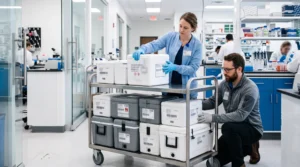
How Frozen Embryo Transport Works
Moving frozen embryos to a new clinic can feel overwhelming, especially when years of treatment are stored in a single tank. Embryos must stay at cryogenic temperatures for the entire trip, with every handoff documented. This guide walks through how frozen embryo transport works, from consent forms and clinic coordination to dry shipper preparation, tracked delivery, and what happens when your embryos arrive.
Read More
How Hospitals Can Reduce Specimen Transport Errors?
A specimen can be collected perfectly and still fail before it reaches the lab. Labeling mix-ups, temperature excursions, missed pickups, and broken chain of custody all lead to rejected samples, repeat draws, and delayed results. This guide explains where specimen transport errors happen most often and the practical steps hospitals can take to reduce them, from standardized handoffs to real-time tracking.
Read More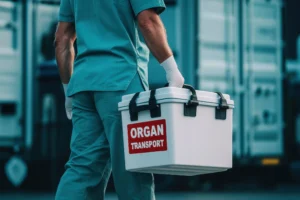
What Are The Common Logistical Challenges For Organ Transportation?
Every donated organ comes with a clock. Hearts and lungs tolerate only a few hours outside the body, so a missed connection, a temperature excursion, or a gap in chain of custody can put a transplant at risk. This guide breaks down the common logistical challenges in organ transportation and the planning, tracking, and handoff practices that help transplant teams keep organs viable.
Read More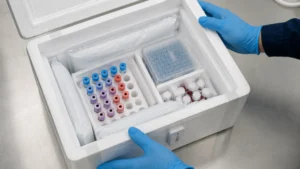
Chain Of Custody Requirements For Lab Specimen Transport
A specimen that arrives at the lab without a clear record of who handled it, and when, creates a problem no test result can fix. Chain of custody lab specimen…
Read More
Average Medical Courier Rates In Indiana: A Complete Guide
When you’re budgeting for medical courier services, the quoted rate is only part of the overall cost. Your organization may need routine specimen transportation, scheduled pharmacy distribution, or an urgent…
Read More
The Top 10 Medical Courier Industry Challenges And How To Solve Them
For enterprise healthcare and life sciences shippers, medical courier reliability starts with how the transportation network is designed. Getting a shipment from one location to another on time is key.…
Read More
5 HVAC Freight Management Tips
How Local Logistics Partners Can Keep Your Operations Running Smoothly Efficient freight management is essential for HVAC businesses—whether you’re handling time-sensitive equipment deliveries, stocking seasonal components, or ensuring technicians have…
Read More